Reels
Filmmaking remixes “natural” time sequences and locations to create memorable stories: Pragmatic concerns disrupt narrative chronology as a film’s scenes are shot to accommodate actors’ schedules or budgetary constraints. Settings’ interiors come detached from their exteriors, and locations distant from each other are juxtaposed for narrative effect.
Inspired by filmmaking’s creative rearrangement of time and space, these Reels utilize drawings, paintings, or photographs to create new stories. Each was constructed using the constraints of Instagram, where they are shared. Length, proportions, and sound are based on IG’s parameters.
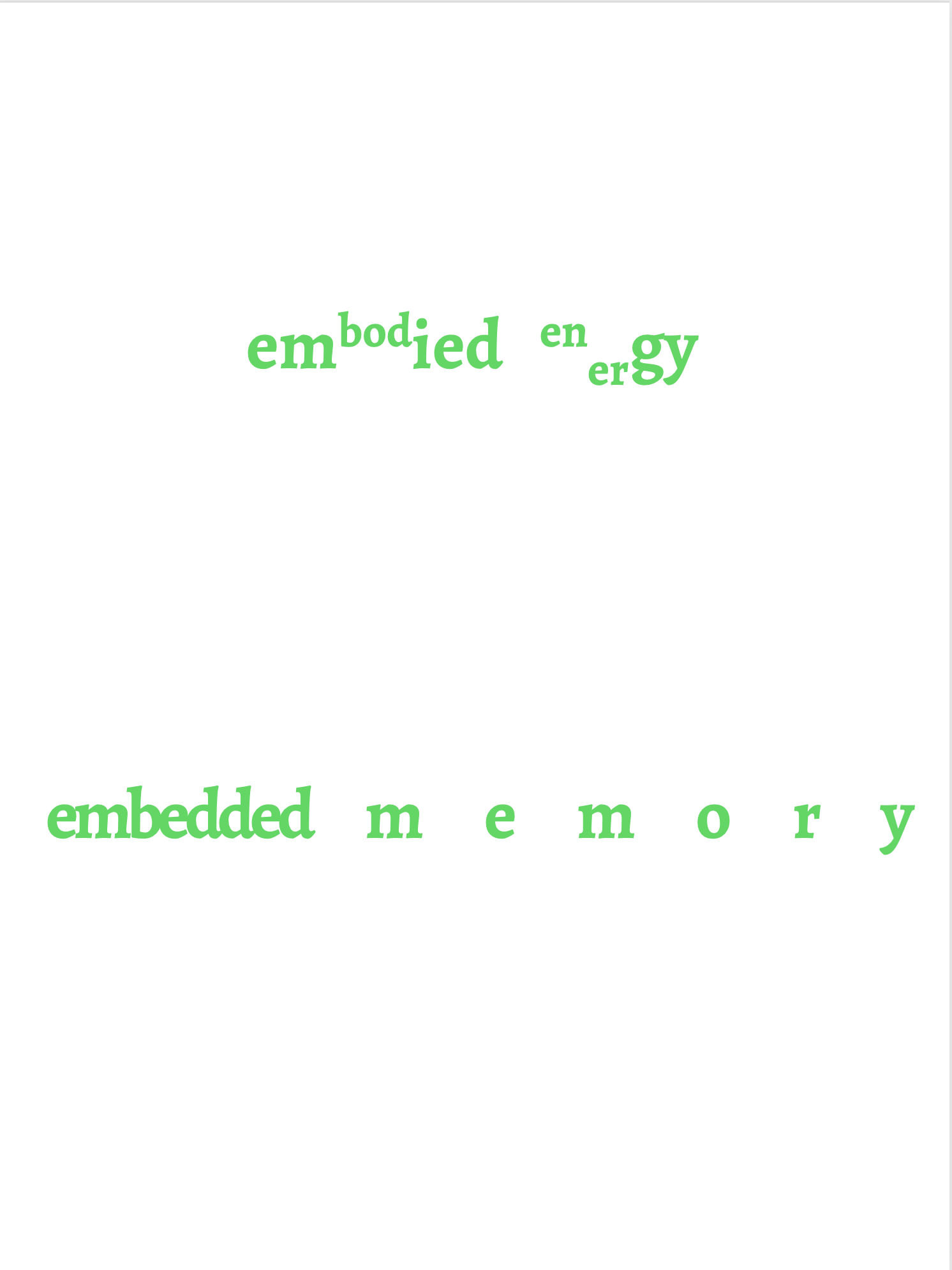
Embodied Energy Embedded Memories
Embodied energy refers to all the energy it takes to make a building: mining, harvesting, fabricating, transporting, assembling, maintaining, and all the CO2 produced in the process. That C02 is already contributing to climate change.
At the same time, memories are embedded in places as we live our lives.
This video incorporates images, stories, and research developed collaboratively with hundreds of people across Gainesville in recent years and collected on a website, https://www.gainesvilleneighborhoodsunited.org . Screenshots from that website were used to create this video.
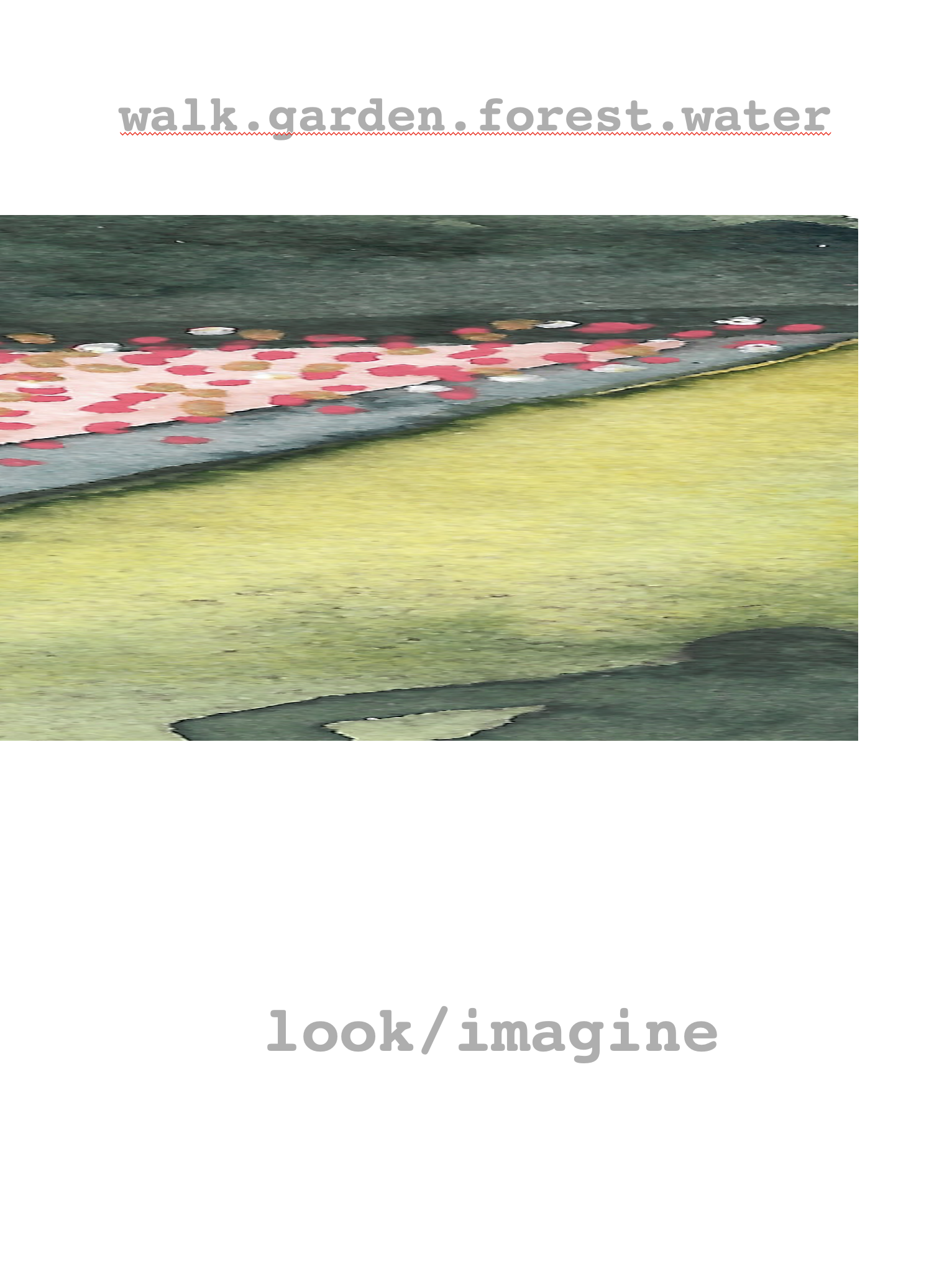
Four Medicines: walk/garden/forest/water (look, imagine)
I once dreamt I met a white bear. He was wearing a medicine pouch around his neck and eating the “stuffing” contained in the pouch. I understood this to be his medicines. I woke wondering what my “medicines” might be. After much reflection, I determined I have four: walking, being in gardens, forests, and around or in water. To challenge myself to find my “four medicines” locally I created a fortune-teller, a simple chance-generating device from my childhood.
Following my Fortune Teller’s prompt, “Walk along Highway 441 to make a point” I walked with a friend one mile northwest, then back, along a busy regional highway. I took timed photos every five minutes, as well as photos recording places that held the promise. I thought my performance would “make a point” to passing drivers, who would observe how challenging it is to walk along a busy highway. Instead, I learned that gardens, forests, and water were there, waiting for me to discover them. From my photos I created before/after gouaches, from which I created a Reel.
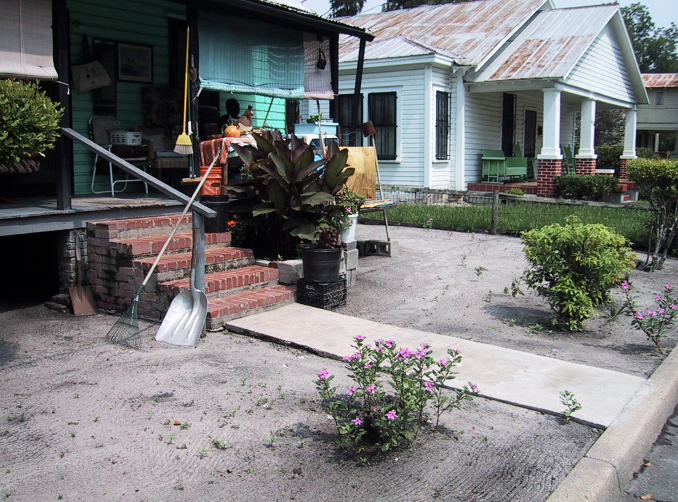
In towns and cities throughout the American south, African- American neighborhoods have grown as distinct enclaves within larger urban areas. A particular range of colors, architectural elements, elaborate front yards and symbolic displays are consistent within and between African American neighborhoods, but nonexistent in other areas. The Fifth Avenue/Pleasant Street neighborhood in Gainesville, Florida is an exceptional example of this communal urban performance. This video presents a small sampling of these strategies in call-response form, some handed down through the many generations of the African diaspora, set in the context of what art historian Grey Gundaker calls “dressed yards.” The streets and their dressed yards create the community’s commons.
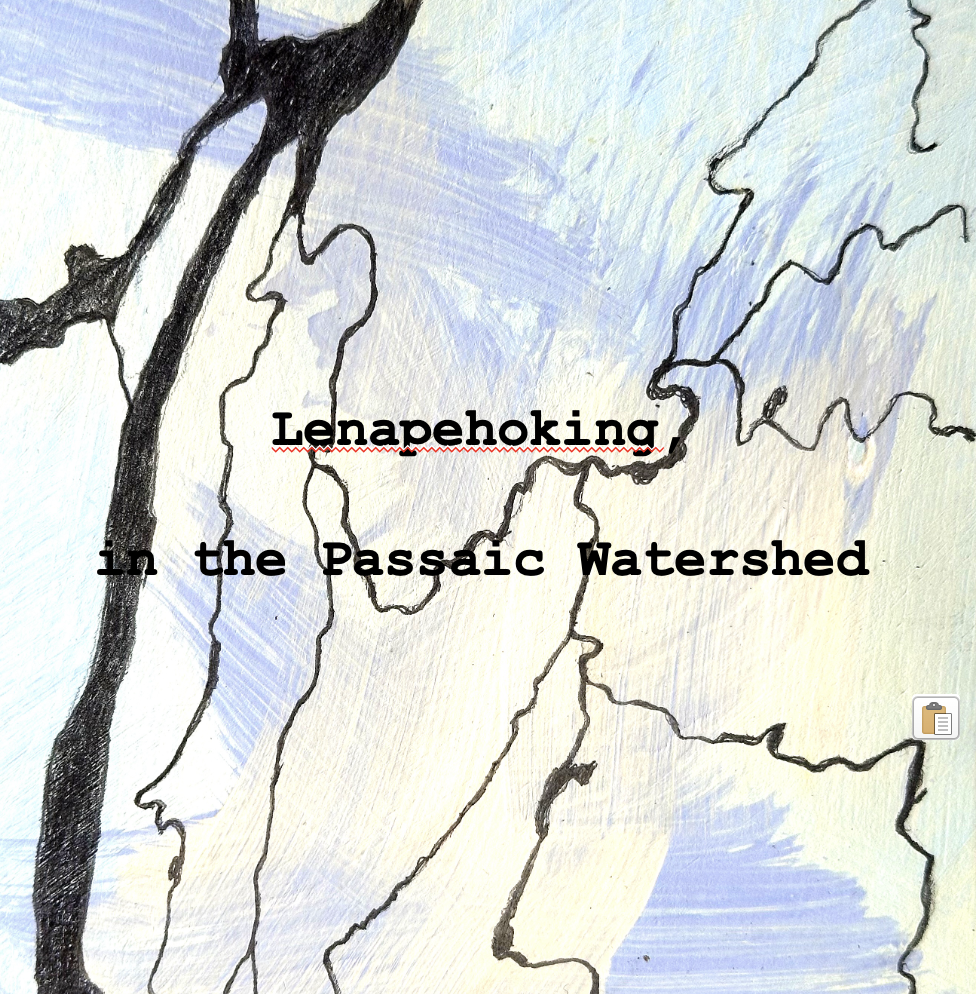
Lenapehoking, in the Passaic Watershed
The Passaic Watershed, Passaic River, and its tributaries, were named "place where the land splits" by the Lenni Lenape. I grew up in this watershed, attending Apshawa Elementary School, off of Macopin Road. The nearby Pequannock River flowed through Pompton Plains to the Passaic River, which joined the Hudson River near Manahatta, now known as Manhattan. It is a joy to learn more about the place I lived for so long.
Some years ago, I had a dream in which I arrived at the train station of a town called Curious. While the dream has faded, the name persists in my imagination. This Reel is based on places in the town I live in Gainesville, Florida, highlighted to amplify my hometown’s curiousness, in all its meanings. The word “curious” is derived from the Old French “curia” which means to care.
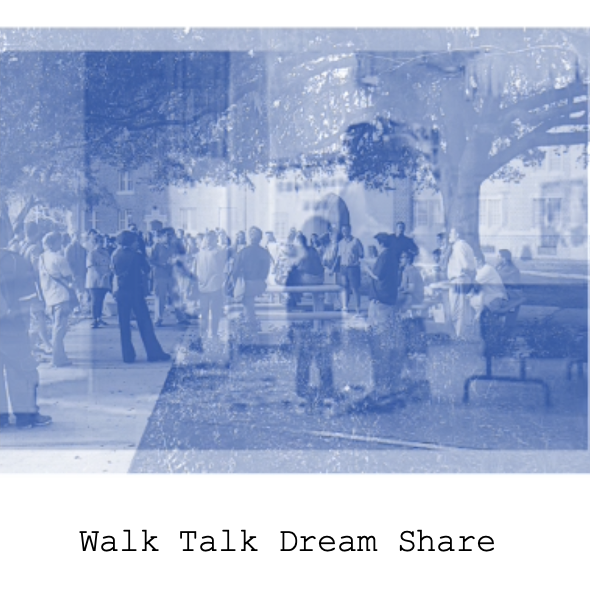
This Reel unspools a series of projects involving community members and architecture students co-creating their local environment. I think of the process as a collaborative ritual involving four stages: walking, talking, dreaming, and sharing. Beginning in 1996, these projects include participatory design techniques like walking tours and discussions, photo collection, then drawing and model making, urban design explorations, exhibits, and presentations. Sometimes participants’ roles are inverted: community members become experts, and experts become part of a community.